Argentina
From underground to value
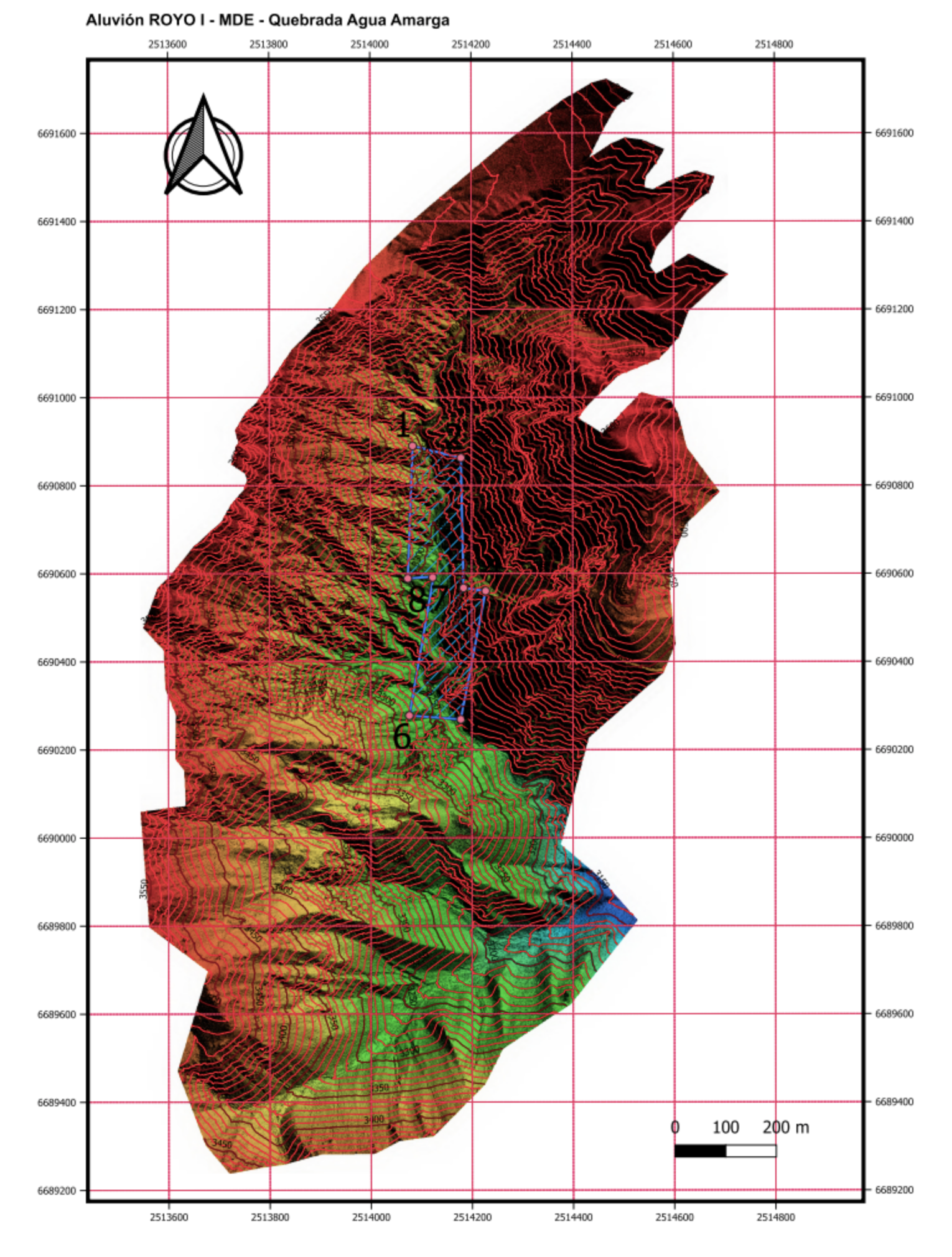
Royo Alluvión - San Juan
Green Mining Italia’s commitment in Argentina focuses on a mining path oriented toward the responsible development of natural resources, through projects rooted in the local area and developed with a progressive, technical, and collaborative approach.
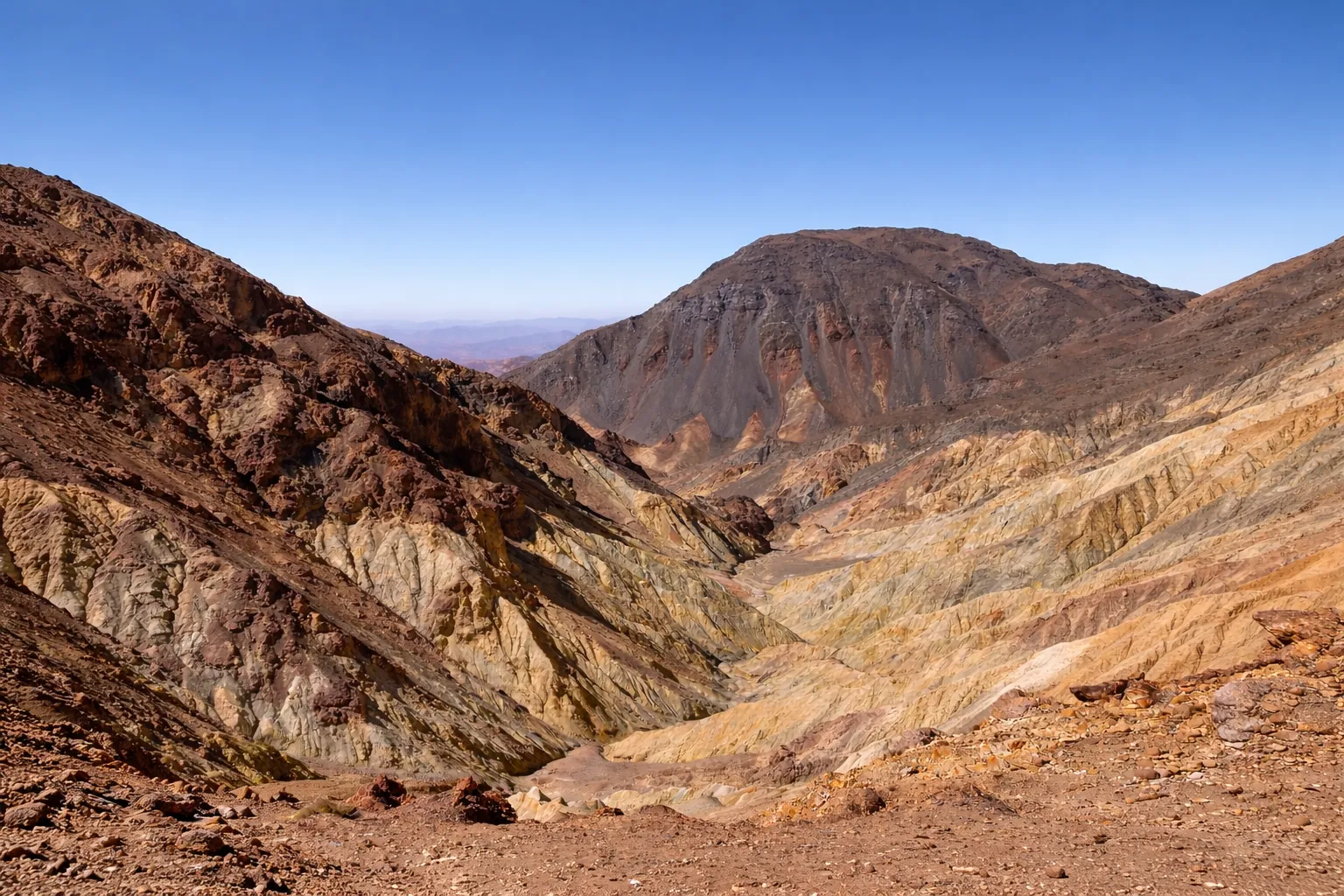
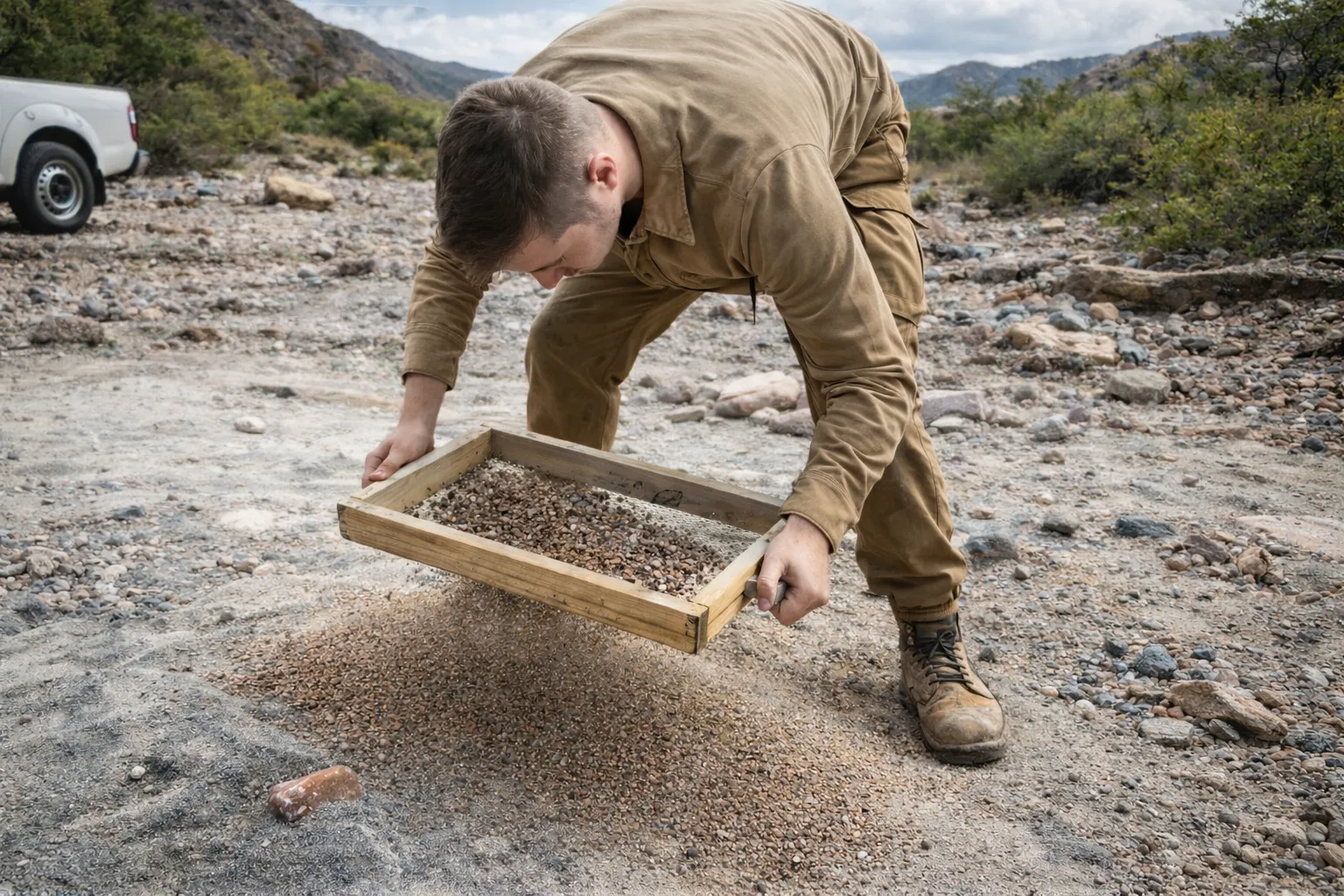
Aluvión Royo is an alluvial gold and multimetallic project located in San Juan within the Andean Precordillera, a geological setting favorable to the natural concentration of mineral deposits. The site features a polymetallic geological configuration, with precious and strategic elements identified during preliminary exploration and assessment activities.
Key elements of interest include Au, Ag, Cu, Pt, and Pd, alongside industrial and critical elements such as Rb, Co, Cr, Ni, Ga, La, Mo, Mn, Sr, Ti, and Zn. This geological makeup gives the project broader value-creation potential beyond just its gold component, opening up the possibility of developing an extraction model focused on the integrated recovery of multiple mineral fractions. The planned approach is based on selective extraction and physical-gravimetric processing of the mineralized material, with the goal of maximizing the recovery of gold and associated minerals while maintaining a mining model consistent with the natural and operational characteristics of the region.
Polymetallic valley-floor placer system, fed by porphyry Cu–Au and epithermal Au–Ag hydrothermal sources from the Precordillera, with interest in Au, Ag, Cu, Pt, Pd, Rb, Co, Cr, Ni, Ga, La, Mo, Mn, Sr, Ti, and Zn.
Polymetallic concentration of Au, Ag, Cu, Pt, Pd, and Rb, along with elements of industrial and technological interest.
Physical-gravimetric treatment focused on maximizing recoverable value and the joint recovery of associated minerals.
A progressive, mercury-free treatment approach that is adaptable and based on the natural characteristics of the deposit.
Mina Pozo Verde
Mina Pozo Verde is a gold project located in the province of La Rioja, an area recognized for its significant gold mining potential and its historical prestige linked to the presence of mineral deposits of interest.
The project is characterized by the presence of gold associated with a significant magnetite component. Magnetic separation contributes to the concentration of mineralized fractions and the efficiency of gold recovery, while the magnetite represents a complementary industrial resource capable of increasing the project's overall value and diversifying production. The operating model is based on a mercury-free approach founded on selective extraction, physical-gravimetric processing, and magnetic separation, integrating technical expertise with regional planning. The proposed approach aims to leverage local gold potential through a path of shared growth, capable of generating commercial opportunities while simultaneously creating positive impacts for the region through job creation, the strengthening of local skills, the integration of services, and the development of related economic supply chains.
Quaternary piedmont placer system, formed by the erosion of the mountain massif and the subsequent reconcentration of Au, with associated presence of Ag, Fe₃O₄, Ti, and Zr.
Au as the primary economic driver, with potential secondary recovery of Ag, Fe₃O₄, and fractions potentially containing Ti and Zr
Physical-gravimetric and magnetic processing focused on gold recovery and the separation of mineral fractions with value-added potential.
A modular, adaptable, and low-impact development model based on advanced exploration, trial mining, and mercury-free processing.
ATR Rare Earths and HMS Project
Green Mining Italia Srl
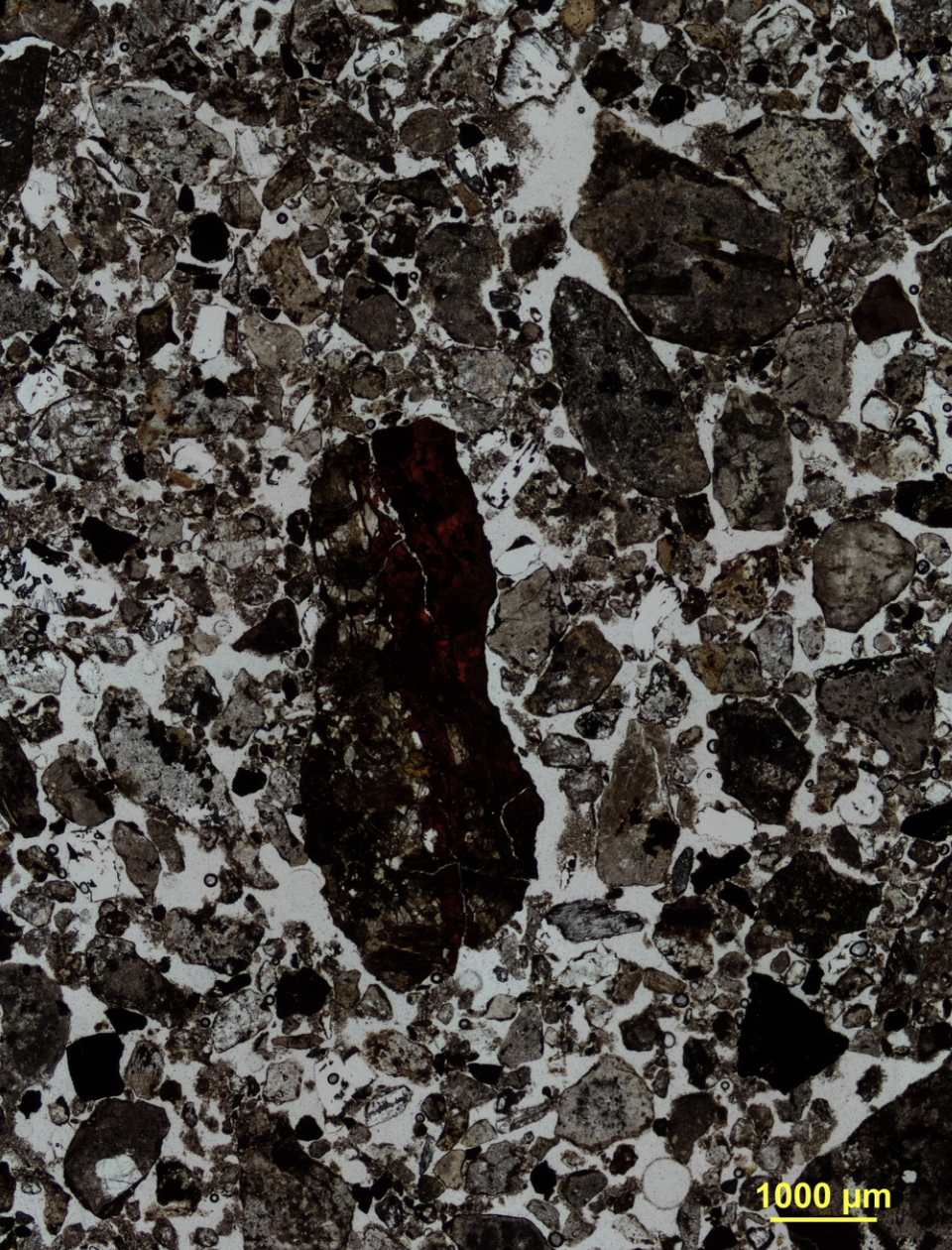
ATR is an extensive polymetallic alluvial system of heavy minerals and rare earths, located in the Sierras Pampeanas geological region in the Province of Córdoba. The deposit consists of mineralized sands and gravels where natural processes of erosion, transport, and gravity concentration have favored the accumulation of rare earth-bearing minerals—with particular interest in Nd, Pr, Dy, and Y—alongside components containing Ti, Zr, Nb, Hf, and W. The system is currently in the exploration phase and is being developed through a progressive de-risking path based on geological validation, systematic sampling, metallurgical testing, a pilot plant, and subsequent phased industrial development. It is designed to provide a continuous supply of rare earth and heavy mineral concentrates to the market through modular physical processes that are scalable and adaptable to the natural characteristics of the deposit.
Polymetallic heavy mineral sand placer system, originating from the erosion of metamorphic and granitoid rocks of the Sierras Pampeanas, followed by hydraulic and gravitational concentration in alluvial sediments, containing monazite, xenotime, allanite, ilmenite, rutile, zircon, and magnetite.
Nd, Pr, Dy, and Y, along with potentially recoverable fractions of Ti, Zr, Nb, Hf, and W.
Joint recovery of components containing REEs, titanium, zirconium, and heavy minerals.
Geological validation, metallurgical testing, pilot plant, and phased industrial production.
Creating value together, not in place of someone else.
Let's take the first step together